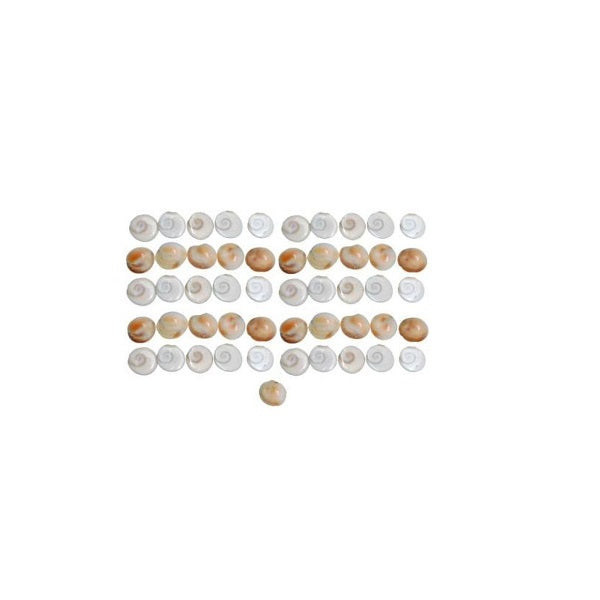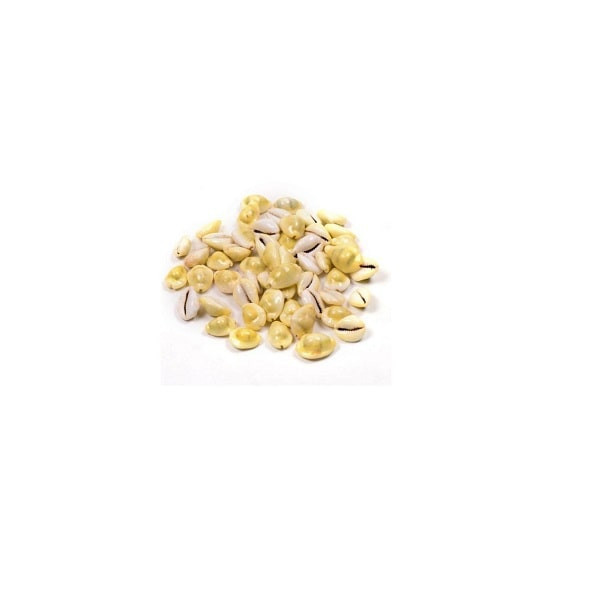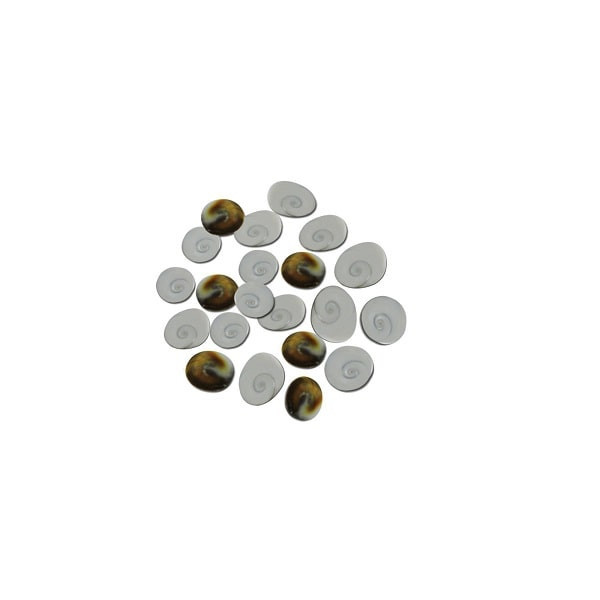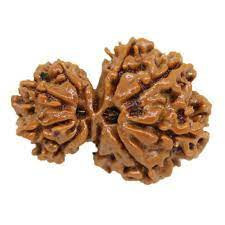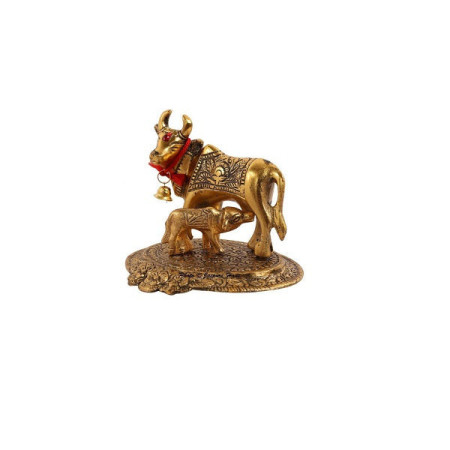
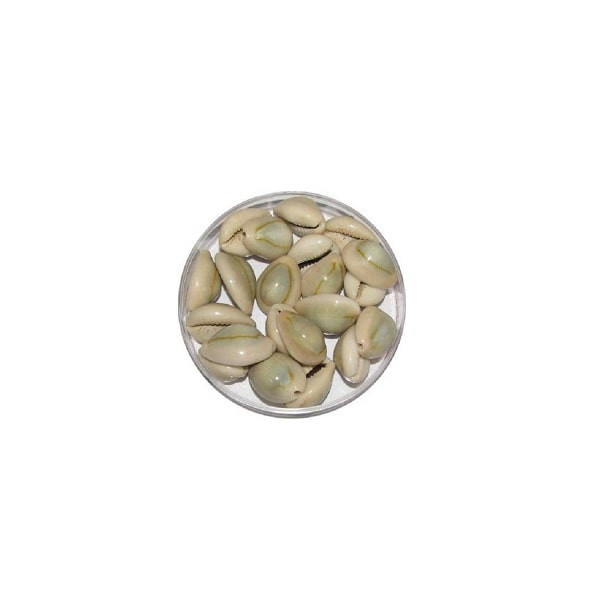
An animal that lives in the sea naturally develops a hard, protective outer coat known as a Laxmi Cowrie in hindi, commonly referred to as a seashell or sea shell. If you’ve ever gone along a beach, you’ve probably seen seashells and perhaps even taken some with you. On beaches, the majority of the shells are typically composed of calcium carbonate. The majority of seashells are produced by mollusks, a diverse group of marine creatures that includes clams, mussels, and oysters and which exude shells as a kind of protection.
These shells have been used for ornaments, tools, and coins for a very long time due of their vivid colors, wide diversity of shapes and designs, and abundance along seashores. Beach drift, which are organic deposits left by the waves and tides along strandlines on beaches, frequently contains seashells. Many islands in the Pacific and Indian oceans, as well as in North America, Africa, and the Caribbean, have historically used seashells as a form of payment.
Because of their durability and variety of shapes, Grey Laxmi Cowrie is frequently utilized as tools. For hundreds or maybe thousands of years, seashells have been utilized as wind instruments in music. Since ancient times, whole seashells or portions of seashells have been used as jeweler or other types of decoration. Shells have been used historically and are being used today to make necklaces, belt buckles, pendants, buttons, beads, earrings, and other jeweler.
Mosaics and inlays made from tiny bits of colored and iridescent shell have been used to adorn walls, furniture, and boxes. Decorative mirror frames and furnishings have been adorned with several entire seashells placed in designs. Shells from the sea are organic materials. Availability, size, and color vary depending on the lot from product to product and from season to season.
Benefits of Grey Laxmi Cowrie:
1 reviews

Fast delivery