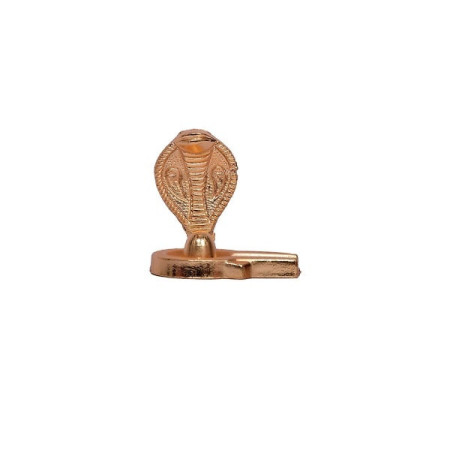
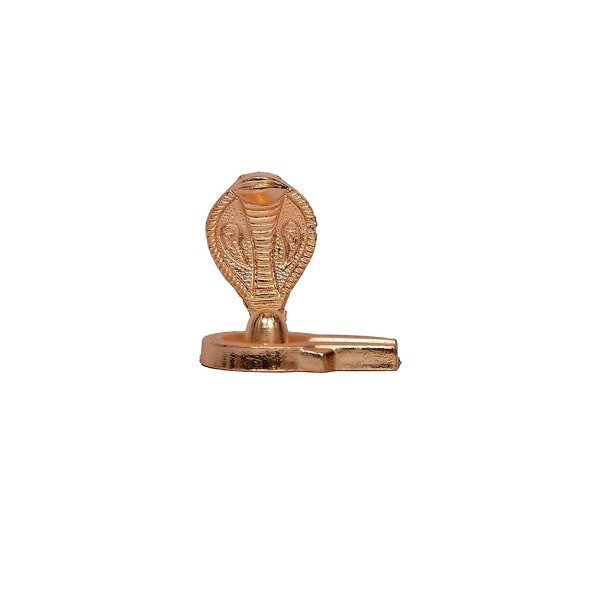
Hinduism uses the Shiva Linga or Lingam as a symbol to depict Lord Shiva. As the most potent deity, Shiva Lingas—which stand for all of the forces of the globe and beyond—are incorporated into the temples constructed in his honour.
The phallus, a symbol of the generative power in nature, is thought to resemble the Shiva Lingam, according to popular belief. Hindu adherents claim that their professors have taught them that this is a grievous error in addition to being a mistake. For instance, Swami Sivananda’s teachings have such a perspective.
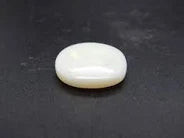
The Shiva Linga has been accepted by a variety of metaphysical disciplines in addition to the Hindu tradition. It refers to a specific stone from an Indian river in this instance, which is thought to offer therapeutic properties for the mind, body, and spirit.
Let’s take each of these two meanings of the phrases Shiva Linga one at a time and start from their genesis in order to comprehend them. Despite being utterly dissimilar, they are related to Lord Shiva and have the same underlying significance.
Linga is a symbol or “mark” that denotes an implication in Sanskrit. The Shiva Linga is a mark that represents Lord Shiva as the Omnipotent Lord, who has no form.
Shiva Linga communicates with the Hindu devotee intelligibly through stillness. It is merely a representation of Lord Shiva, the formless divinity that resides in your heart as an eternal soul. He is also identical to the supreme Brahman. He is your indweller, your deepest self, or Atman.